A child can stop halfway through a homeschool task for very different reasons. The idea may be missing, the task may be awkward to start, or the child may have no capacity left for the noise, length, transition, or demand. More repetition will not solve all three.
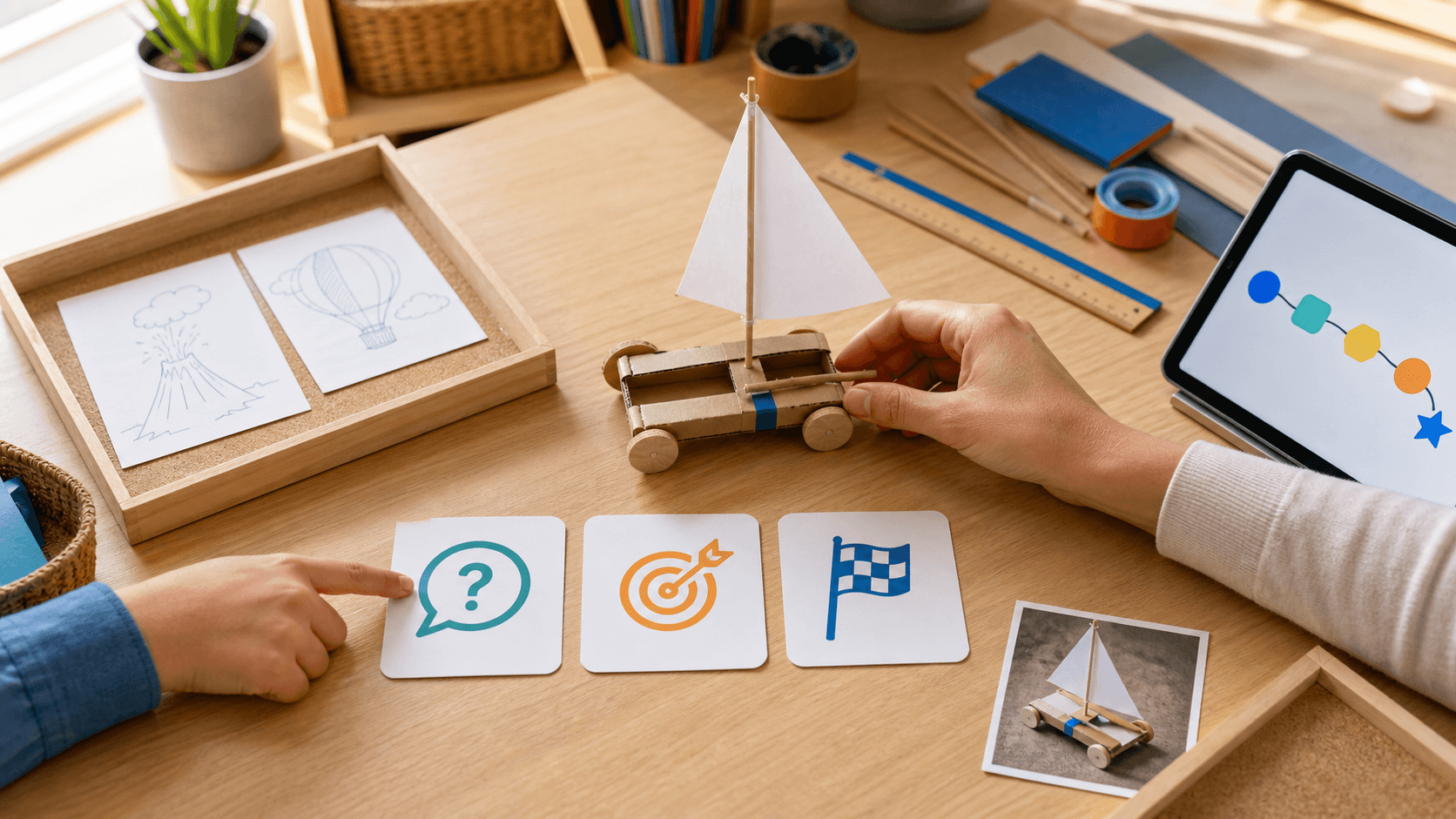
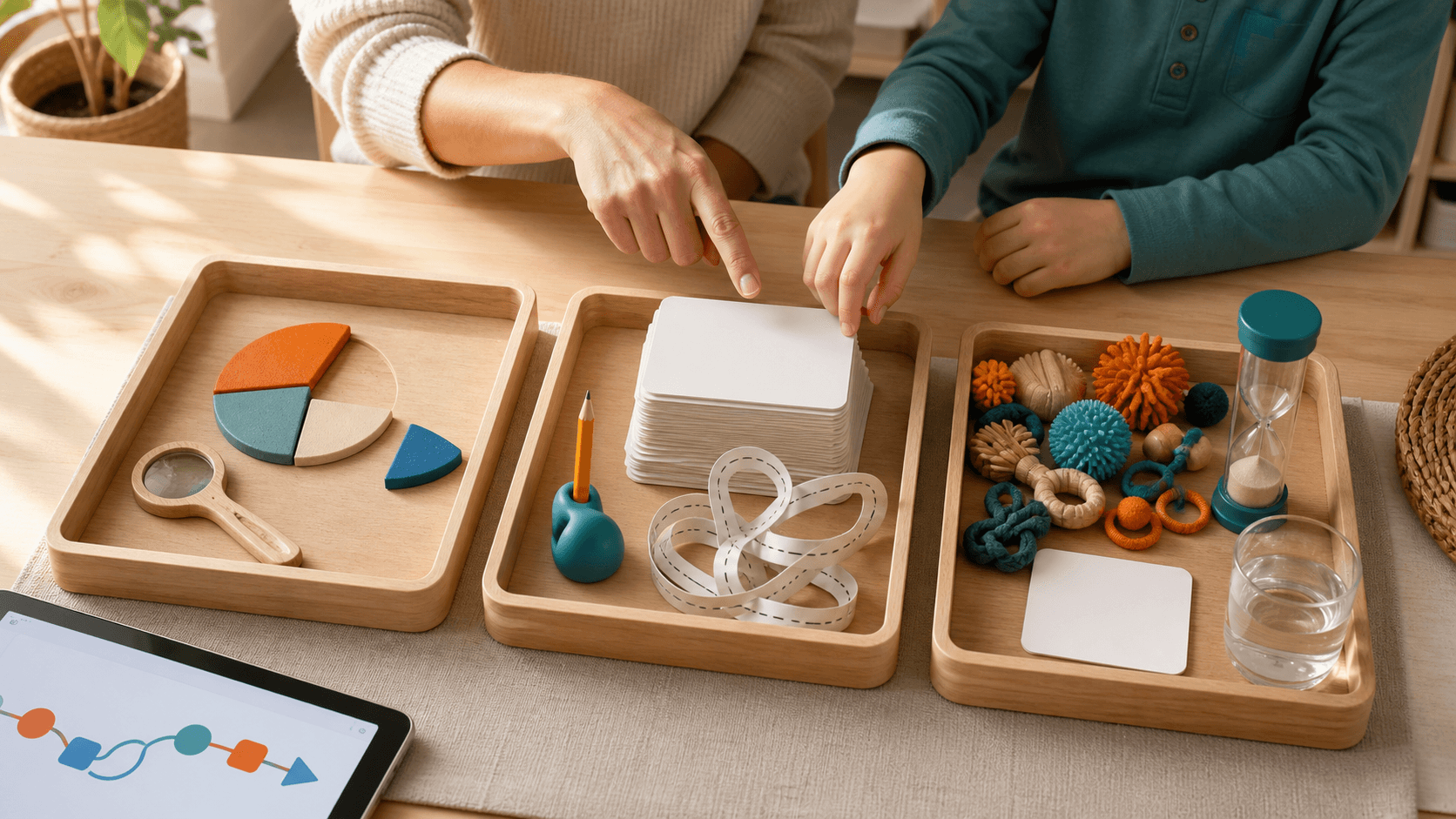
Use three checks before you push harder. First, check the knowledge gap: can the child explain the idea with simpler numbers, objects, a sketch, or an example? Second, check task friction: is the instruction too long, the output format too demanding, or the first step unclear? Third, check overload: would a quieter space, visible finish line, short pause, or later return change the response?
Change only one variable, then observe. Teach one missing step for a knowledge gap. Reduce the start to one visible action for task friction. Lower sensory load or pause the task for overload. The goal is not to excuse every difficult moment; it is to test the smallest plausible cause before adding pressure.
The checks matter for uneven learners. A gifted or high-IQ child may understand the concept but resist shallow repetition. A child with ADHD may know the answer but lose the starting sequence. An autistic or twice-exceptional / 2e learner may need predictable steps, a different explanation style, lower sensory load, or deeper challenge. These are learning-design choices, not diagnosis, therapy, cure, or guaranteed outcomes.
SchoolQuest AI is part of the Little AI Minds Universe. It can make the skill, current mission, mastery evidence, review history, and parent checkpoint visible, so a stalled task becomes a reviewable learning decision instead of a label about motivation or ability.
Record one short note: what stalled, which variable changed, and what happened next. If the child can explain after a new example, teach the gap. If one smaller first step unlocks the task, repair the format. If capacity returns after a calm reset, protect that boundary in the next plan.
A useful next step should make the reason clearer. Check knowledge, friction, and overload; change one thing; then decide whether to teach, redesign, pause, review, or move forward.
Next decision
Turn a guide into a concrete family step
Choose the next route based on what you are deciding now: a first calm week, complete Grade 1-6 coverage, family fit before you create an account, or phone/tablet use for gifted/high-IQ, ADHD, autistic, 2e, and mixed-pace learners.
Start with one calm week
Use the starter guide when your family needs a practical rhythm for attention, confidence, sensory load, and different learning paces before changing everything.
Open starter guideCheck full primary coverage
Open the program map when you need to see how math, reading, writing, science, geography, projects, life skills, and portfolio evidence fit together.
Open program mapUse both apps as one family path
Use SchoolQuest AI for weekly rhythm, mastery checks, records, and parent review. Add Little AI Minds when core learning is done and a bigger creative AI project makes sense.
See the family bundle pathDecide whether SchoolQuest fits now
Review the fit signals families should understand before joining: High-IQ, ADHD, autism, 2e, mixed learning styles, boundaries, help rhythm, and what should be clear before any paid access.
Review family fitTry the app surface on devices
Use the install page when you want the learning area and parent view on a phone or tablet while articles, pricing, and legal information stay in the browser.
Open install guideAI Homeschooling Starter Guide
Get the starter guide
Join the guide list and we will use this interest signal to send the right next steps.