Interest-led homeschooling can turn a shell, a train map, a baking question, or a fascination with space into serious learning. The parent worry is equally real: if we follow the interest, will reading, writing, mathematics, and review quietly disappear?
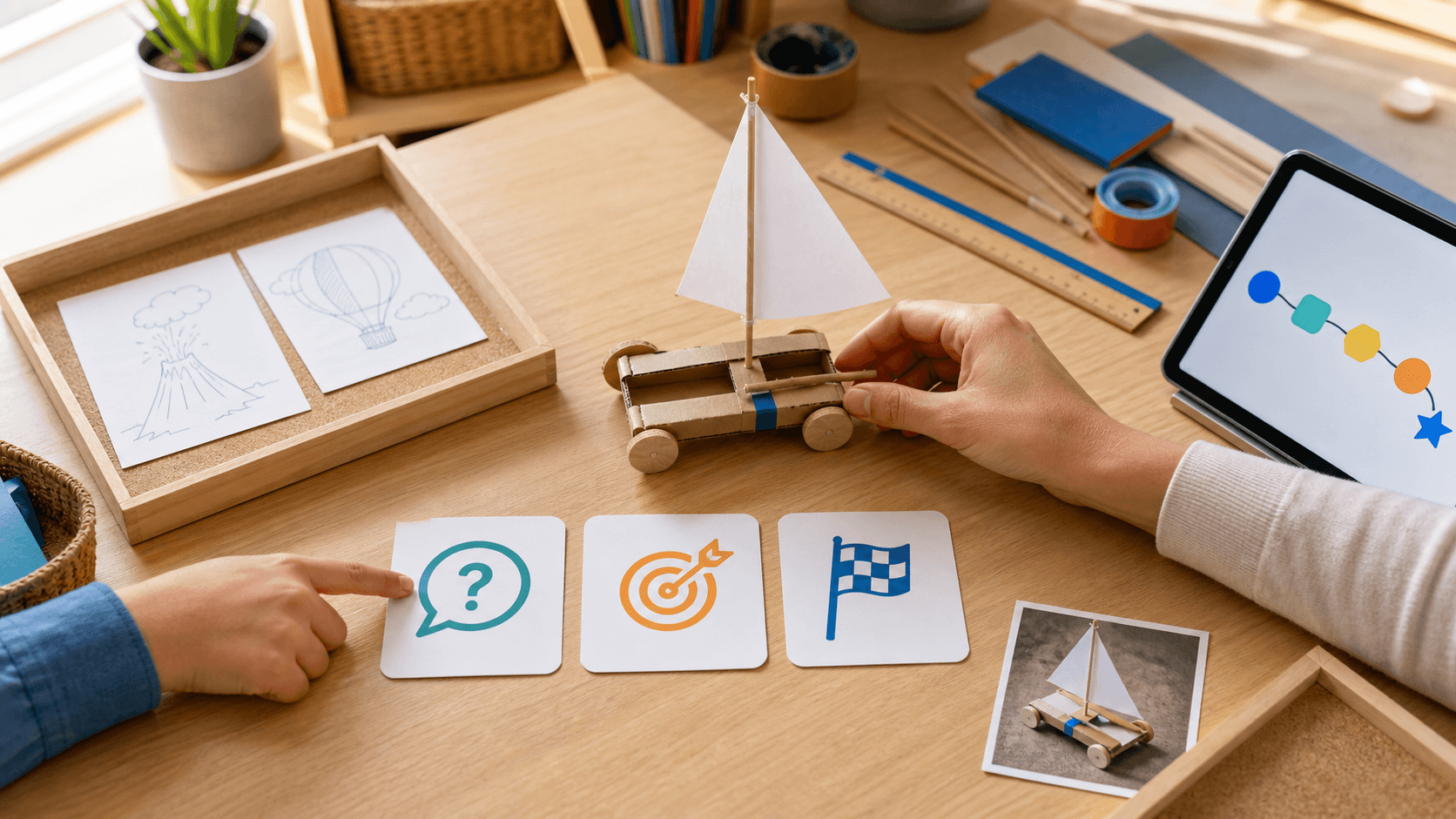
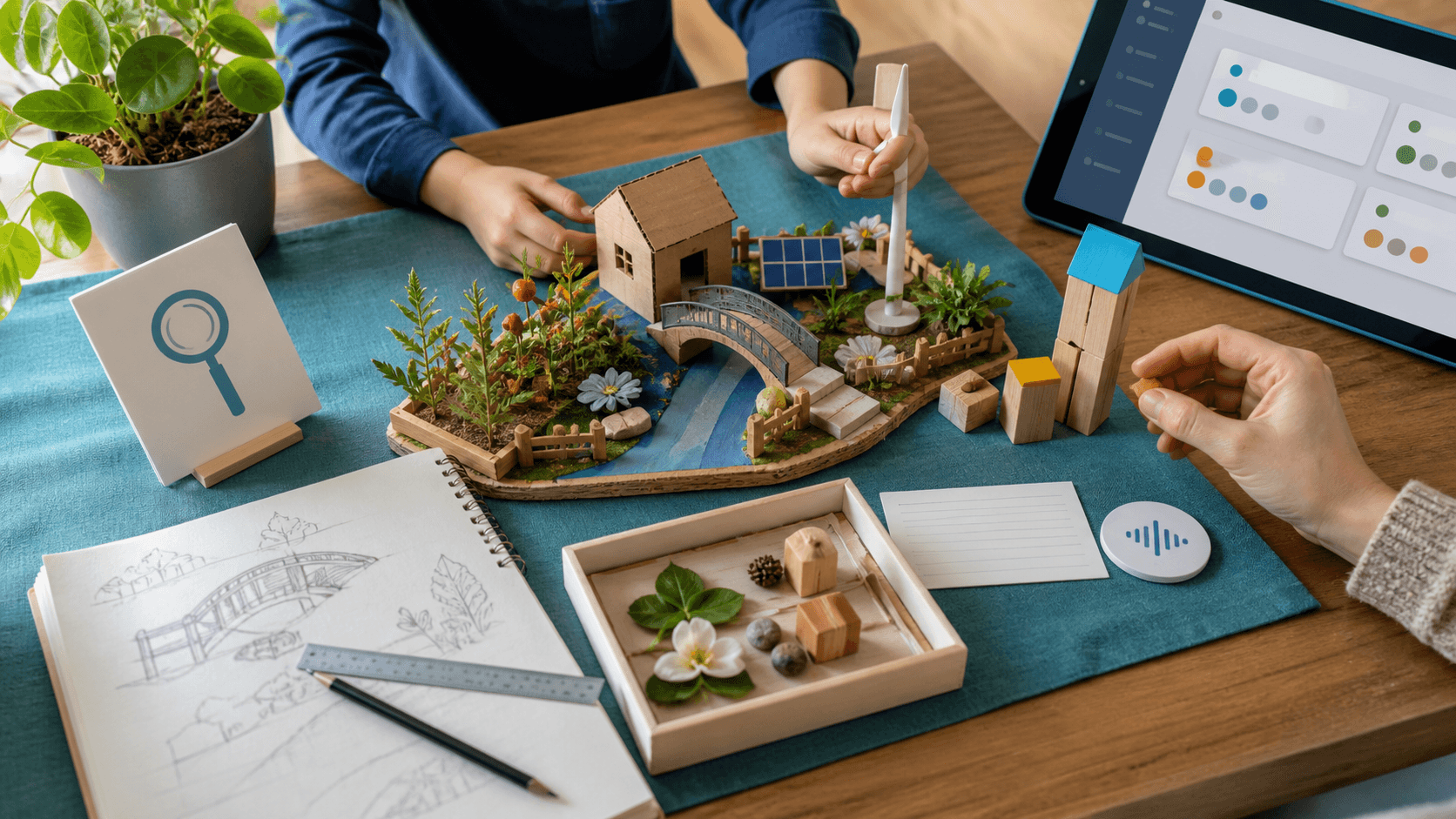
Use two connected lanes instead of choosing freedom or structure. The curiosity lane begins with the child's question and allows research, making, conversation, field observation, or a creative project. The core-skills lane selects one or two small skills that genuinely help the inquiry move forward.
A shell collection might invite counting, grouping, measuring, descriptive vocabulary, a short comparison paragraph, and a habitat question. Not every subject must be forced into every interest. Keep the connection honest: choose the useful skill, teach it clearly, and leave unrelated coverage for another mission.
Close the loop with one brief check. Can the learner explain the new idea, use the skill in a slightly different example, or retrieve it later? Save one light piece of evidence—a photo, sketch, sentence, measurement, or parent note—so interest-led learning stays visible without becoming paperwork.
The lanes can flex for different learners. A gifted or high-IQ child may need a deeper question; a child with ADHD may benefit from a short finite mission; an autistic or twice-exceptional / 2e learner may need predictable steps, lower sensory load, or another way to explain. Adjust pace, explanation style, review, sensory load, and challenge. This is learning design, not diagnosis, therapy, or a guaranteed outcome.
SchoolQuest AI is part of the Little AI Minds Universe. SchoolQuest can hold the weekly rhythm, core-skill map, mastery checks, parent review, and portfolio evidence. When the structured loop opens into a story, comic, model, coding idea, or larger creative AI project, the SchoolQuest AI + Little AI Minds family-bundle path gives that curiosity a wider studio without losing the learning thread.
Try one question, one useful core skill, one check, and one saved artifact. Curiosity remains the engine; the learning map keeps the family from guessing what was actually practised.
Next decision
Turn a guide into a concrete family step
Choose the next route based on what you are deciding now: a first calm week, complete Grade 1-6 coverage, family fit before you create an account, or phone/tablet use for gifted/high-IQ, ADHD, autistic, 2e, and mixed-pace learners.
Start with one calm week
Use the starter guide when your family needs a practical rhythm for attention, confidence, sensory load, and different learning paces before changing everything.
Open starter guideCheck full primary coverage
Open the program map when you need to see how math, reading, writing, science, geography, projects, life skills, and portfolio evidence fit together.
Open program mapUse both apps as one family path
Use SchoolQuest AI for weekly rhythm, mastery checks, records, and parent review. Add Little AI Minds when core learning is done and a bigger creative AI project makes sense.
See the family bundle pathDecide whether SchoolQuest fits now
Review the fit signals families should understand before joining: High-IQ, ADHD, autism, 2e, mixed learning styles, boundaries, help rhythm, and what should be clear before any paid access.
Review family fitTry the app surface on devices
Use the install page when you want the learning area and parent view on a phone or tablet while articles, pricing, and legal information stay in the browser.
Open install guideAI Homeschooling Starter Guide
Get the starter guide
Join the guide list and we will use this interest signal to send the right next steps.